Hotel Interior Design Trends for Modern Hospitality
Hotel Interior Design Trends set the stage for creating memorable experiences that resonate with guests long after they check out. The interior design of hotels is evolving, influenced by a blend of current trends that emphasize sustainability, local culture, and innovative technology. As travelers seek comfort and uniqueness in their stays, understanding these trends becomes essential for both hotel operators and design enthusiasts.
From the soothing color palettes that evoke certain emotions to the integration of multifunctional furniture, each aspect plays a crucial role in enhancing the overall guest experience. With hotels striving to reflect their surroundings and heritage through design, the atmosphere they create can significantly impact guest satisfaction and loyalty.
Current Trends in Hotel Interior Design
In the competitive world of hospitality, hotel interior design plays a pivotal role in attracting guests and creating memorable experiences. As travelers become more discerning, hotel designers are embracing innovative trends that reflect modern sensibilities while maintaining comfort and functionality. This discussion highlights the top three current trends in hotel interior design, the influence of sustainability, and notable hotels that embody these contemporary styles.
Top Three Current Trends in Hotel Interior Design
The landscape of hotel interior design is constantly evolving, influenced by cultural shifts, technological advancements, and guest preferences. Here are three key trends shaping the industry today:
- Biophilic Design: This trend integrates natural elements into hotel interiors, creating a calming and rejuvenating atmosphere. Incorporating plants, natural light, and water features enhances guest well-being and connects them to nature.
- Local Authenticity: Hotels are increasingly reflecting local culture through their design. Using local materials, artwork, and architectural styles helps guests feel a sense of place and connection to the destination.
- Flexible Spaces: Modern hotels are designing multifunctional areas that can adapt to various guest needs. This includes spaces for co-working, socializing, and relaxation, allowing for a more dynamic hotel experience.
Sustainability in Hotel Interior Design
Sustainability is a driving force in contemporary hotel design, influencing everything from material selection to energy-efficient systems. Eco-friendly practices not only appeal to environmentally conscious travelers but also reduce operational costs. Hotels are now prioritizing the following sustainable choices:
- Recycled and Upcycled Materials: Utilizing recycled materials such as reclaimed wood or repurposed furnishings minimizes waste and adds character to spaces.
- Energy Efficiency: Integrating smart lighting and heating systems reduces energy consumption, while energy-efficient appliances contribute to lower operational costs.
- Water Conservation: Installing low-flow fixtures and water recycling systems minimizes water usage, aligning with sustainable practices that attract guests who prioritize eco-friendliness.
Examples of Hotels Exemplifying Contemporary Design Trends
Several hotels successfully embody these emerging trends, providing excellent case studies in modern hotel interior design. The following establishments stand out for their innovative approaches:
- 1 Hotel South Beach, Miami: This hotel showcases biophilic design with its use of greenery throughout the property, including a living wall, and features natural materials that reflect the coastal environment.
- Hotel Indigo, Nashville: Emphasizing local authenticity, this hotel incorporates Nashville’s music culture into its design, featuring local artists’ work and nods to the city’s rich musical heritage.
- The Hoxton, Portland: With its flexible spaces, The Hoxton offers areas that adapt to various activities, from meetings to social gatherings, enhancing the guest experience with multifunctional design.
“Hotel design is not just about aesthetics; it’s about creating a unique experience that resonates with guests, reflecting both their desires and the surrounding culture.”
Color Palettes in Modern Hotel Interiors
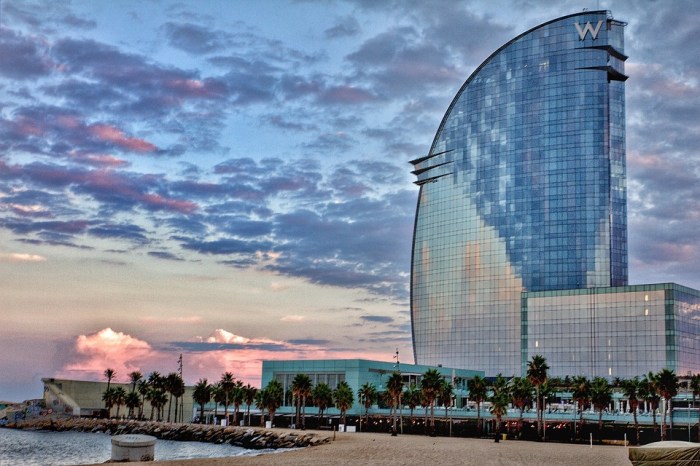
Source: pixabay.com
The choice of color palettes in hotel interiors plays a vital role in creating an atmosphere that shapes guests’ experiences. Colors can evoke emotions, enhance the aesthetic appeal, and reflect the hotel’s brand identity. By carefully selecting color schemes, designers create spaces that resonate with visitors, making their stay memorable and inviting.The psychology of color is a key factor in hotel design.
Different colors can influence mood and behavior in unique ways, which is why understanding these effects is crucial for hotel proprietors and designers. A well-thought-out color scheme can enhance relaxation, encourage social interaction, or even stimulate appetite.
Popular Color Palettes and Their Psychological Effects
Several popular color palettes are widely adopted in modern hotel interiors. Each palette has its own psychological implications, contributing to the overall ambiance of the space.
- Neutral Tones: Shades of beige, gray, and taupe create a calming and sophisticated atmosphere. These colors are versatile and can appeal to a wide range of guests, fostering a sense of tranquility.
- Earthy Hues: Colors like terracotta, moss green, and deep browns invoke a connection to nature. They can make spaces feel grounded and organic, enhancing relaxation for guests.
- Bold Jewel Tones: Rich colors such as emerald green, sapphire blue, and ruby red add a touch of luxury and elegance. These hues are often used in upscale settings to evoke feelings of opulence and sophistication.
- Pastel Shades: Soft colors like blush pink, light blue, and mint green create a fresh and airy environment. They are generally associated with calmness and are popular in boutique hotels aiming for a lighter, more whimsical appeal.
- Monochromatic Schemes: Utilizing different shades of a single color can create a cohesive and modern look. This approach can evoke feelings of harmony and sophistication, often seen in contemporary designs.
Implementing these color schemes can significantly enhance guest experiences. For instance, hotels opting for neutral tones in their common areas promote relaxation and comfort, making spaces more inviting. In contrast, bold jewel tones in dining areas can stimulate appetite and encourage social engagement among guests.
Comparison of Color Palettes with Hotel Examples
A detailed comparison of different color palettes used in hotels can further illustrate their practical implications and effectiveness. The following table Artikels various color schemes along with specific hotel examples, highlighting the intended psychological effects.
| Color Palette | Hotel Example | Psychological Effect |
|---|---|---|
| Neutral Tones | The Ritz-Carlton, San Francisco | Calmness and sophistication |
| Earthy Hues | Post Ranch Inn, Big Sur | Connection to nature, grounding |
| Bold Jewel Tones | The Dorchester, London | Luxury and opulence |
| Pastel Shades | Hotel Bel-Air, Los Angeles | Freshness and whimsy |
| Monochromatic Schemes | 21c Museum Hotel, Louisville | Harmony and modernity |
By analyzing these color palettes and their applications in real-world settings, it becomes evident that the right color choices can elevate a hotel’s atmosphere, enriching the overall guest experience and leaving a lasting impression.
Furniture and Fixtures Design
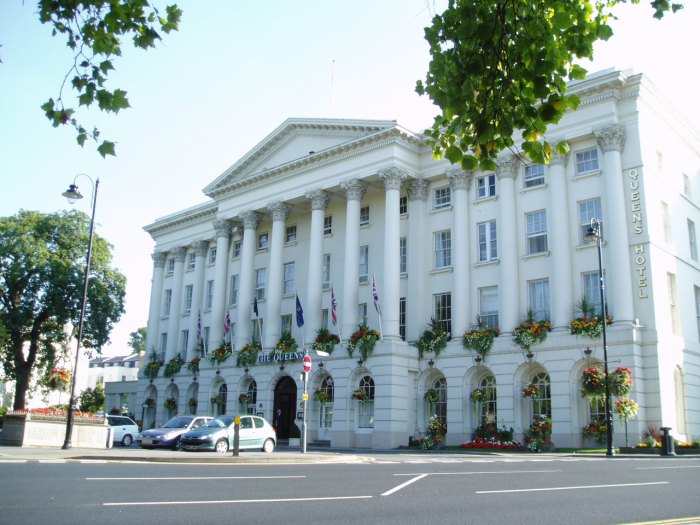
Source: publicdomainpictures.net
The design of furniture and fixtures in hotel interiors has evolved significantly to enhance guest experiences and comfort. Modern hotels are focusing on creating inviting and functional spaces that not only reflect the brand’s identity but also cater to the needs of diverse clientele. This segment explores the emerging styles of furniture design, the significance of multifunctionality, and innovative lighting fixtures that collectively contribute to the ambiance of hotel interiors.
Emerging Styles in Furniture Design
Today’s hotel furniture is characterized by a blend of comfort, style, and practicality. Emerging styles emphasize natural materials, such as wood and stone, promoting an organic feel that resonates with guests. Sustainable design practices are increasingly important, with many hotels opting for furniture made from recycled or eco-friendly materials. Key trends in furniture design include:
- Minimalist Aesthetics: This style focuses on simplicity and clean lines, allowing for uncluttered spaces that promote relaxation.
- Textured Fabrics: Incorporating rich textures, such as velvet and boucle, adds warmth and depth, enhancing comfort and visual interest.
- Curved Shapes: Sofas and chairs with soft edges create a sense of intimacy and comfort, encouraging social interaction among guests.
The emphasis on ergonomic design ensures that furniture not only looks good but also supports the well-being of guests, making their stay more enjoyable.
Importance of Multifunctional Furniture
Multifunctional furniture is becoming a staple in hotel design, as it maximizes space efficiency while catering to various guest needs. In smaller rooms, furniture that serves multiple purposes can significantly enhance the usability of the space. Examples of multifunctional furniture in hotels include:
- Murphy Beds: These beds can be folded away when not in use, transforming a room into a living space during the day.
- Convertible Sofas: Sofas that can easily convert into beds provide additional sleeping arrangements for families or groups.
- Storage Ottomans: These serve as seating and a place to store belongings, keeping the space organized and free of clutter.
The integration of these pieces not only boosts the functionality of hotel interiors but also enhances the overall guest experience by allowing for flexibility and comfort.
Innovative Lighting Fixtures
Lighting plays a crucial role in setting the mood and enhancing the overall aesthetic in hotel interiors. Innovative lighting fixtures are being designed not only for their functionality but also as statement pieces that contribute to the ambiance.Notable examples of innovative lighting include:
- Smart Lighting Systems: These allow guests to control lighting through mobile apps, personalizing their environment according to their preferences.
- Artistic Pendant Lights: Statement pendant lights serve as focal points in lobbies and restaurants, adding character while providing necessary illumination.
- LED Wall Sconces: These fixtures create soft, ambient lighting that enhances the comfort level in guest rooms and common areas.
These lighting solutions not only improve visibility but also contribute to the overall design narrative, making each space feel unique and inviting.
Incorporating Local Culture into Design
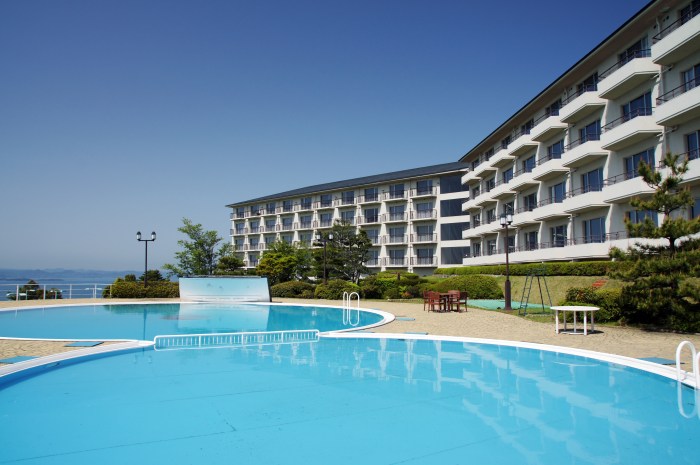
Source: wikimedia.org
Integrating local culture into hotel interior design is a powerful way to create a unique and immersive experience for guests. This approach not only celebrates the heritage of a location but also allows visitors to connect with the surrounding environment on a deeper level. By incorporating elements of local art, history, and craftsmanship, hotels can enhance their appeal and leave a lasting impression on their clientele.Hotels can effectively integrate local culture into their designs through various methods.
Using region-specific materials, showcasing local artisans’ work, and embracing traditional architecture are all effective strategies. For instance, hotels might feature handcrafted textiles, indigenous artwork, or design elements inspired by local traditions. This practice not only enriches the aesthetic of the hotel but also supports local communities and preserves cultural heritage.
Examples of Hotels Reflecting Their Surroundings
Several hotels around the world have successfully adopted this philosophy, creating spaces that tell a story about their locale. For example:
The Silo Hotel, Cape Town
Housed in a converted grain elevator, The Silo showcases a collection of contemporary African art, incorporating vibrant colors and textures that reflect the city’s diverse culture. The hotel’s design also highlights industrial elements alongside luxury features, merging the old with the new.
Hotel Indigo, Nashville
This hotel artfully captures the essence of Music City with rooms adorned with music-themed decor, including guitar motifs and artwork inspired by the local music scene. The hotel’s design pays homage to Nashville’s rich musical history while providing a modern feel.
Amanjiwo, Indonesia
Nestled near the Borobudur Temple, this hotel embraces traditional Javanese architecture and materials. Its design features local stone and handcrafted wooden elements, creating a serene atmosphere that resonates with the historical significance of its surroundings.Incorporating local culture requires thoughtful consideration of various design elements. The following list highlights key features that represent local heritage:
- Artworks and sculptures created by local artists, showcasing indigenous techniques and styles.
- Textiles and fabrics sourced from local markets, reflecting regional patterns and colors.
- Architectural elements inspired by local history, such as traditional roof styles or building materials.
- Furniture crafted by local artisans, using native woods or traditional methods.
- Landscaping that includes native plants, enhancing the connection to the local environment.
- Historical artifacts displayed in common areas, providing guests with insight into the area’s story.
By weaving these elements into hotel design, the establishment not only becomes a place for rest but also a canvas that narrates the rich cultural tapestry of its location.
Technology Integration in Hotel Interiors
The integration of technology into hotel interiors is not just a trend but a necessity in today’s hospitality industry. With the rapid advancement of technology, hotels are increasingly adopting smart systems that enhance guest experiences while optimizing operational efficiency. The seamless blend of technology in design has transformed the traditional hotel experience into one that is interactive, personalized, and luxurious.Smart room technology is a cornerstone of modern hotel design.
This technology allows guests to control various aspects of their room environment through their smartphones or in-room tablets. Features such as automated lighting, temperature control, and entertainment systems not only cater to individual preferences but also contribute to energy efficiency and sustainability initiatives. This personalization is highly valued among guests, leading to increased satisfaction and loyalty.
Technological Elements and Their Benefits
A range of technological elements is being integrated into hotel interiors, each offering unique benefits that enhance both guest experience and hotel operations. The following table summarizes some of these advancements:
| Technological Element | Benefits |
|---|---|
| Smart Room Controls | Guests can manage lighting, temperature, and entertainment with ease, leading to improved satisfaction and convenience. |
| Mobile Check-In/Check-Out | Streamlines the guest arrival and departure process, reducing wait times and enhancing overall efficiency. |
| Keyless Entry Systems | Allows guests to access their rooms using smartphones, providing a secure and hassle-free experience. |
| Voice-Activated Assistants | Facilitates hands-free control of room amenities and provides information, enhancing the guest’s comfort and convenience. |
| Interactive Digital Signage | Improves communication of information such as hotel amenities, events, and local attractions, enriching the guest experience. |
| IoT Devices | Enables real-time monitoring of energy usage, allowing hotels to optimize resources and reduce operational costs. |
The integration of these technological advancements not only elevates the guest experience but also streamlines hotel operations, making it a win-win situation. As hotels continue to embrace innovation, the future of hospitality design is undoubtedly intertwined with smart technology, setting a new standard for guest service and engagement.
Outdoor and Indoor Space Blending
The trend of blending outdoor and indoor spaces in hotel design reflects a growing desire for guests to experience a seamless connection with nature. This approach not only enhances aesthetic appeal but also promotes a sense of tranquility and well-being, which is increasingly sought after by travelers. By creating environments where natural elements flow effortlessly into the indoor settings, hotels can provide unique and memorable experiences that resonate with their clientele.To achieve this seamless transition between indoor and outdoor spaces, various techniques can be employed.
Elements such as large glass doors, strategically placed windows, and the use of natural materials play significant roles. These design strategies not only create an inviting atmosphere but also maximize natural light and views, making guests feel more in tune with their surroundings.
Design Concepts for Outdoor-Influenced Interiors, Hotel Interior Design Trends
Incorporating outdoor elements into hotel interiors can transform the ambiance and enhance guest satisfaction. The following design concepts promote this trend effectively:
- Open-Air Lounges: Creating inviting lounge areas that extend to patios or gardens allows guests to enjoy the outdoors while still feeling cozy and sheltered.
- Biophilic Design: Integrating plants, living walls, and natural materials like wood and stone to mimic the outdoors fosters a calming environment.
- Natural Light Maximization: Utilizing skylights and expansive windows brings in natural light, blurring the lines between indoor and outdoor spaces.
- Water Features: Incorporating fountains or ponds inside hotels can evoke a sense of serenity and connection to nature.
- Outdoor Dining Areas: Designing restaurant spaces that open to gardens or terraces enhances the dining experience through fresh air and views.
- Seasonal Flexibility: Creating adaptable spaces that can be opened up or enclosed based on the season allows for year-round enjoyment of outdoor spaces.
Designing with nature in mind not only improves aesthetics but also enhances the overall guest experience, fostering a deeper connection to the environment.
Wellness and Health-Focused Design Elements: Hotel Interior Design Trends
As the wellness movement continues to gain traction, hotels are increasingly incorporating health-focused design elements into their interiors. This shift is not just about aesthetics; it’s about creating environments that promote relaxation, rejuvenation, and overall well-being for guests. By integrating elements that foster a sense of calm and comfort, hotels can enhance the guest experience and differentiate themselves in a competitive market.The incorporation of wellness trends in hotel interior design manifests through various elements that prioritize health and relaxation.
These design choices often include the use of natural materials, biophilic design principles, and spaces dedicated to wellness activities. Hotels aim to create environments that not only look good but also contribute positively to guests’ physical and mental health.
Design Elements Promoting Health and Relaxation
Several specific design elements are instrumental in promoting wellness within hotel environments. These elements contribute to creating tranquil spaces that encourage relaxation and rejuvenation.
- Natural Light: Maximizing natural light through large windows and skylights enhances mood and energy levels, while reducing reliance on artificial lighting.
- Indoor Plants: Incorporating greenery through potted plants or vertical gardens helps purify the air and creates a calming atmosphere, aligning with biophilic design principles.
- Comfortable Furniture: Ergonomically designed furniture that supports proper posture can greatly enhance comfort, particularly in communal spaces like lobbies and lounges.
- Soundproofing: Effective soundproofing in rooms and common areas minimizes noise pollution, providing a serene environment conducive to relaxation.
- Wellness Amenities: Dedicated wellness spaces, such as yoga studios, meditation rooms, and spa facilities, encourage guests to engage in health-focused activities during their stay.
Hotels that prioritize wellness in their design strategies are notable examples of how these elements come together to create holistic environments. For instance, the Six Senses Hotels & Resorts brand is renowned for its commitment to wellness, integrating natural elements, local materials, and sustainable practices into their designs. Each resort is uniquely tailored to reflect its surroundings, often featuring wellness centers that offer a range of holistic treatments and programs.Another example is the Standard Hotels, which focus on creating spaces that encourage social interaction and personal well-being.
Their use of open spaces, natural light, and creative design elements fosters a vibrant atmosphere, making wellness an integral part of the guest experience.Incorporating wellness and health-focused design elements is more than a trend; it represents a fundamental shift in how hotels view their role in guests’ lives. By prioritizing health and well-being in their designs, hotels can create memorable experiences that resonate with the growing demand for wellness-oriented travel.
Guest Room Design Innovations
The hospitality industry is continually evolving, with guest room design innovations leading the charge in enhancing the guest experience. As modern travelers seek comfort, convenience, and personalization, hoteliers are responding with cutting-edge designs that cater to these needs. From tech-savvy amenities to space-efficient layouts, guest rooms are becoming more than just a place to sleep; they are a reflection of contemporary living.Innovative guest room designs prioritize functionality, aesthetics, and the unique preferences of travelers.
This includes layout concepts that optimize space and improve the guest’s overall experience while offering creative solutions to common challenges. With an increasing focus on maximizing comfort and utility, the following layout concepts and features are shaping the future of guest room design.
Innovative Layout Concepts
Space optimization is crucial in guest room design, especially in urban settings where every square foot counts. Here are some layout concepts that effectively use the space while ensuring functionality:
- Open-Plan Designs: Incorporating an open layout with multifunctional furniture allows for fluid movement and a more spacious feel, often integrating the sleeping area with a work or relaxation nook.
- Modular Furniture: Furniture that can be rearranged or adapted for various uses—like a bed that transforms into a sofa—encourages flexibility and personalized space usage.
- Smart Storage Solutions: Built-in storage solutions, such as bedside tables with charging ports or under-bed drawers, minimize clutter and maximize usability.
- Biophilic Design: Not just about aesthetics, incorporating natural elements and views of nature can enhance well-being and create a serene atmosphere.
The integration of innovative room features greatly impacts guest satisfaction, providing an enhanced experience that aligns with their modern lifestyle. The table below Artikels several guest room features alongside their impact on guest satisfaction.
| Guest Room Feature | Impact on Guest Satisfaction |
|---|---|
| Smart Technology (e.g., app-controlled lighting) | Enhances convenience and personalization. |
| Ergonomic Furniture | Improves comfort and usability, resulting in better sleep quality. |
| High-Quality Linens and Mattresses | Directly correlates with guest comfort and overall satisfaction ratings. |
| Eco-Friendly Amenities | Increases appeal to environmentally conscious travelers. |
| Flexible Room Configurations | Accommodates diverse traveler needs, enhancing satisfaction for groups and families. |
Innovations in guest room design not only enhance the aesthetic appeal of hotels but significantly improve guest experiences and satisfaction levels.
Final Thoughts
In conclusion, Hotel Interior Design Trends reflect a fusion of creativity, functionality, and cultural resonance that is vital to the hospitality industry. By embracing these trends, hotels not only cater to the evolving needs of modern travelers but also create spaces where guests feel a genuine connection to their environment. The future of hotel design looks promising, with endless possibilities for innovation that prioritize guest experience and satisfaction.
General Inquiries
What are the top trends in hotel interior design?
Current trends include sustainability, the integration of local culture, and technology-driven designs.
How does color influence guest experience in hotels?
Color palettes can evoke emotions and set the mood, enhancing the overall atmosphere for guests.
Why is multifunctional furniture important in hotels?
Multifunctional furniture maximizes space, catering to diverse guest needs and improving comfort.
How can hotels incorporate local culture into their designs?
By using local art, materials, and design elements that reflect the area’s heritage.
What role does technology play in modern hotel design?
Technology enhances guest convenience and satisfaction through smart room features and automation.