Smart Hotel Technology Innovations Transforming Hospitality
Smart Hotel Technology Innovations are revolutionizing the hospitality industry, blending cutting-edge technology with guest experiences to create a seamless and personalized stay. As hotels adopt these advancements, they enhance operational efficiency and redefine guest satisfaction in remarkable ways.
This exploration of smart hotel technologies delves into essential components such as IoT integration, automated systems, and data-driven personalization, while also highlighting notable early adopters and their transformative impacts on guest experiences.
Overview of Smart Hotel Technology
Smart hotel technology represents a transformative approach to enhancing guest experiences and operational efficiency within the hospitality sector. As the demand for seamless, personalized services rises, hotels are turning to technology to meet and exceed these expectations. This innovation not only streamlines operations but also significantly enriches the overall stay for guests, making their experience more enjoyable and memorable.At its core, smart hotel technology integrates various systems and devices to create a connected environment.
Key components defining smart hotels include Internet of Things (IoT) devices, mobile applications, smart room features, automated check-in/out processes, and data analytics. These elements work in harmony to offer guests control over their environment, such as lighting, temperature, and entertainment systems, all from their smartphones or tablets.
Main Components of Smart Hotels
The integration of various technologies is crucial for the operational success of smart hotels. Understanding these components provides insight into how they enhance guest experience and efficiency. The primary elements include:
- IoT Devices: These devices connect to the internet and can be controlled remotely, allowing for customized guest experiences. For instance, smart thermostats adjust room temperature based on guest preferences.
- Mobile Applications: Guests can manage their stay through dedicated hotel apps, enabling them to make reservations, order room service, or request housekeeping with a few taps on their smartphones.
- Smart Room Features: Features such as smart lighting, voice-activated assistants, and automated curtains create a personalized and comfortable environment for guests.
- Automated Check-In/Out: Using kiosks or mobile apps, guests can easily check in and out without the need for front desk interaction, thereby reducing waiting times and enhancing convenience.
- Data Analytics: Hotels leverage data collected from guest interactions to tailor services and promotions, enhancing guest satisfaction while optimizing operational efficiency.
“The integration of smart technology in hotels not only enhances guest comfort but also streamlines operational processes, paving the way for improved service delivery.”
Examples of Early Adopters
Several hotels have embraced smart technology, setting benchmarks for others in the industry. These early adopters have demonstrated the significant impact technology can have on guest experiences.
- Marriott Hotels: Implementing IoT technology, Marriott provides smart rooms where guests can adjust lighting, temperature, and entertainment systems through a mobile app, creating a tailored experience.
- Hilton: With their Connected Room feature, Hilton allows guests to control room settings using their mobile devices, enhancing convenience and personalization during their stay.
- Holiday Inn: Early adoption of the mobile check-in system by Holiday Inn has reduced check-in times and improved guest satisfaction by allowing a smooth arrival experience.
These examples illustrate how smart hotel technology not only enhances the comfort and convenience for guests but also contributes to increased operational efficiency for hotels, leading to a win-win scenario in the hospitality industry.
Key Innovations in Smart Hotel Technology
The smart hotel industry is undergoing rapid transformation driven by cutting-edge technological innovations. These advancements not only enhance guest experiences but also improve operational efficiency for hotel management. In this segment, we’ll explore the latest innovations that are making a significant impact in the hospitality sector.The integration of the Internet of Things (IoT) is at the forefront of this technological revolution.
IoT devices connect various hotel systems, creating a seamless network that allows for improved guest convenience and streamlined operations. This connectivity ensures that all aspects of a guest’s stay—from room temperature to entertainment options—can be managed with ease, resulting in a personalized experience that caters to individual preferences.
Latest Technological Innovations
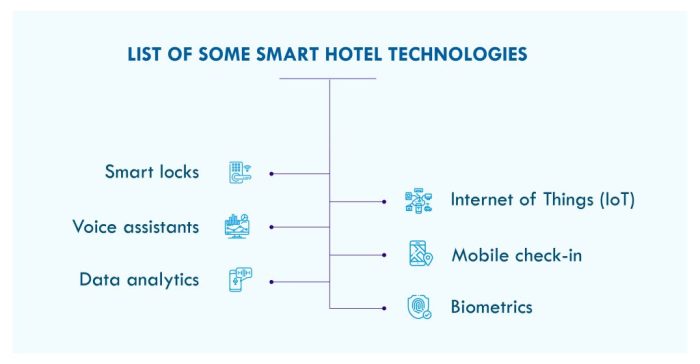
Several key innovations are reshaping the smart hotel landscape. These include smart locks, voice assistants, automated check-in systems, and more. Each technology plays a vital role in enhancing both guest satisfaction and operational efficiency. Here’s a breakdown of some of the most impactful innovations currently in use:
| Technology | Description | Benefits |
|---|---|---|
| Smart Locks | Keyless entry systems that allow guests to unlock their rooms using smartphones. | Enhanced security and convenience for guests, reducing wait times at check-in. |
| Voice Assistants | AI-powered devices in rooms that allow guests to control lighting, temperature, and entertainment through voice commands. | Improved guest experience with hands-free control and personalized interactions. |
| Automated Check-in | Self-service kiosks or mobile apps that enable guests to check in and receive room keys without interacting with staff. | Reduced waiting times and increased efficiency in the check-in process. |
| Smart Room Controls | Systems that adjust room settings like heating, cooling, and lighting based on the guest’s preferences. | Enhanced comfort and energy efficiency, leading to reduced operational costs. |
| Mobile Apps | Applications allowing guests to book services, order room service, and communicate with hotel staff. | Convenience for guests, leading to higher satisfaction and increased revenue opportunities for hotels. |
The implementation of these technologies not only elevates the guest experience but also enables hotels to operate more efficiently, ultimately resulting in greater profitability and customer loyalty.
Guest Experience Enhancements
Source: miotsolutions.in
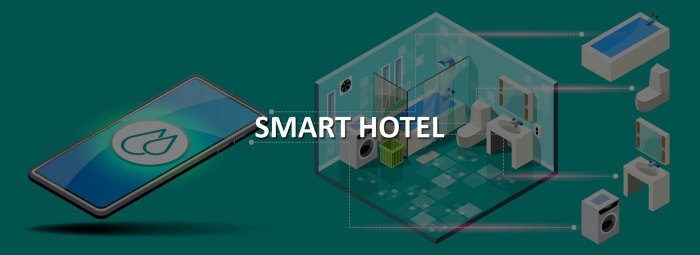
Smart hotel technology is revolutionizing the way guests experience their stay, allowing for an unprecedented level of satisfaction and personalization. By integrating cutting-edge innovations, hotels can create an environment that not only meets but anticipates the needs and desires of their guests, leading to memorable experiences and increased loyalty.The use of data analytics in smart hotels plays a critical role in tailoring services to individual guest preferences.
By collecting and analyzing data from previous stays, guest feedback, and even social media interactions, hotels can develop a profile that highlights what each guest values most. For instance, if data indicates that a guest prefers a specific type of pillow or enjoys a certain type of cuisine, hotels can proactively provide these tailored services upon their arrival. This attention to detail enhances the overall guest experience, fostering a sense of individualized care.
Key Features Enhancing Guest Experience
The integration of smart technologies in hotels offers a variety of features that significantly improve guest experiences. These features capitalize on convenience, personalization, and efficiency, making stays more enjoyable and memorable. Below is a list of notable features contributing to an enhanced guest experience in smart hotels:
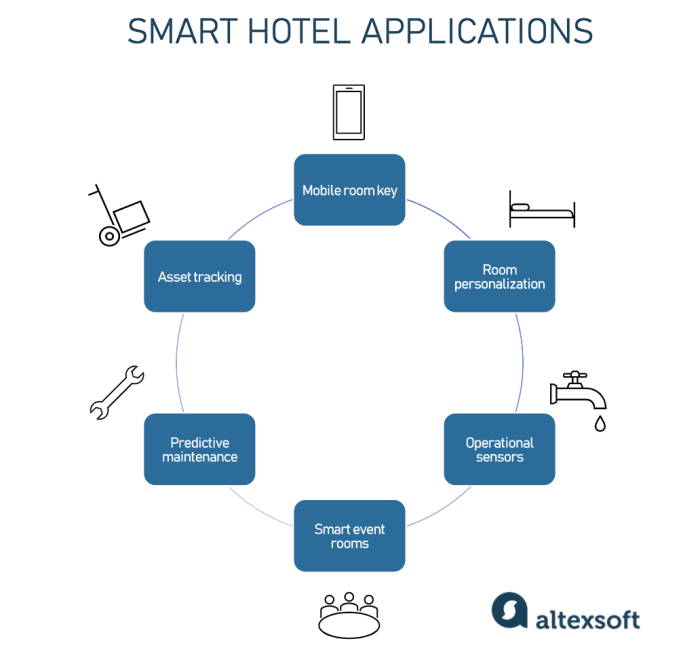
- Mobile Room Keys: Guests can check in and unlock their rooms using their smartphones, eliminating the need for physical keys and streamlining the check-in process.
- Smart Room Controls: Guests can control lighting, temperature, and entertainment systems through their personal devices or in-room tablets, allowing for customized comfort.
- Personalized Recommendations: Utilizing guest data, hotels can suggest activities, dining options, and local attractions that align with individual interests and preferences.
- Virtual Concierge Services: Smart devices can offer 24/7 assistance for booking services, making reservations, or answering queries, providing guests with immediate support.
- In-Room Streaming Services: Guests can access their favorite streaming platforms directly from their room entertainment systems, enhancing their downtime with personalized content.
- Automated Feedback Systems: Hotels can implement real-time feedback mechanisms through mobile apps, enabling them to address concerns promptly and improve service quality.
“The ability to personalize the guest experience through smart technology not only enhances satisfaction but also drives repeat business and customer loyalty.”
These features illustrate how smart hotel technology is reshaping the landscape of hospitality, prioritizing guest needs and enhancing their overall experience.
Operational Efficiency and Cost Savings
The integration of smart technology in hotels dramatically transforms operational processes and enhances overall efficiency. By automating routine tasks and utilizing data-driven insights, hotel management can streamline operations, leading to significant cost savings and improved guest satisfaction. This shift not only optimizes resources but also allows staff to focus on providing exceptional service rather than getting bogged down with mundane tasks.Smart hotel technology enhances operational efficiency through a variety of means.
Automation tools and systems can significantly reduce labor costs while improving accuracy and speed in service delivery. For example, automated check-in kiosks reduce the need for front desk staff, allowing hotels to allocate their human resources more effectively. Additionally, energy management systems help optimize utility consumption, contributing to a reduced carbon footprint and lowered operational costs.
Methods for Cost Reduction through Automation and Smart Systems, Smart Hotel Technology Innovations
Several key methods can be leveraged by hotels to reduce costs through smart technology implementations. These methods not only improve operational efficiency but also enhance the guest experience. Consider the following approaches:
- Automated Guest Services: Kiosks and mobile apps facilitate self-service options for check-in, room selection, and payment processing, minimizing the need for front desk personnel.
- Energy Management Solutions: Smart thermostats and lighting systems adjust automatically according to occupancy, ensuring optimal energy use without sacrificing comfort.
- Inventory and Supply Chain Automation: Utilizing smart inventory management systems helps track supplies in real-time, reducing waste and preventing overstocking, ultimately leading to cost savings.
- Predictive Maintenance: IoT sensors can monitor equipment health and predict failures before they occur, helping to minimize downtime and repair costs.
- Centralized Management Systems: Integrating various operational functions (reservations, housekeeping, maintenance) into a single platform streamlines communication and reduces redundancy.
Case Study: The Smart Hotel Transformation of The Hilton Group
The Hilton Group serves as an excellent example of a hotel chain that has successfully implemented smart technology to boost operational efficiency and profitability. By integrating an advanced property management system (PMS) and IoT devices, Hilton improved data analytics capabilities, allowing for better decision-making and operational oversight.For instance, the use of mobile technology enabled guests to check in and choose their rooms via an app.
This innovation not only enhanced guest satisfaction but also reduced wait times at the front desk, freeing up staff to attend to more complex guest needs. Additionally, Hilton’s energy management system enabled them to monitor energy usage across their properties, resulting in approximately 15% savings on energy costs.Through these initiatives, Hilton has demonstrated how smart technology can lead to significant operational improvements and reduce costs, setting a standard for the industry and showcasing the potential for long-term profitability through innovation.
Sustainability in Smart Hotels
Source: altexsoft.com
Sustainability has become a cornerstone for modern hospitality, especially as the global focus on reducing environmental impact intensifies. Smart hotels leverage innovative technologies to enhance sustainability while also improving guest experiences. By integrating smart technologies into hotel operations, these establishments not only contribute to environmental preservation but also appeal to an increasingly eco-conscious clientele.The implementation of smart technology in hotel operations yields significant environmental benefits.
These technologies facilitate efficient resource management, reduce waste, and lower carbon footprints. For instance, energy management systems (EMS) play a crucial role in optimizing energy consumption, enabling hotels to monitor, control, and reduce energy usage effectively. This not only contributes to sustainability goals but also translates to substantial savings on operational costs.
Energy Management Systems and Their Role in Sustainable Practices
Energy management systems are pivotal in fostering sustainable practices within smart hotels. They utilize data analytics and real-time monitoring to optimize energy consumption across various hotel operations. By identifying patterns and irregularities in energy use, hotels can proactively adjust settings to enhance efficiency. Key benefits of energy management systems include:
Real-time Monitoring
Continuous tracking of energy consumption allows for immediate adjustments to avoid wastage.
Automated Controls
Systems can automatically adjust lighting, heating, and cooling based on occupancy, ensuring resources are used only when necessary.
Data Insights
Detailed analytics provide insights into energy use trends, enabling informed decision-making for future sustainability initiatives.Below are specific sustainable technologies adopted in smart hotels that highlight their commitment to eco-friendly practices:
- Smart Thermostats: These devices adjust heating and cooling based on guest preferences and room occupancy, significantly reducing energy consumption.
- LED Lighting: Energy-efficient LED lighting systems contribute to lower energy bills and longer life spans compared to traditional bulbs.
- Water Conservation Systems: Technologies that monitor and manage water usage help reduce wastage and promote conservation across the hotel.
- Renewable Energy Sources: Many smart hotels invest in solar panels or wind energy systems, significantly reducing reliance on non-renewable energy sources.
- Smart Waste Management: Systems that track waste generation and optimize disposal procedures contribute to reduced landfill impact.
“By embracing smart technologies, hotels not only enhance operational efficiency but also actively participate in the global movement towards sustainability.”
Challenges and Considerations
Integrating smart technology into hotel operations presents unique challenges that can impact both implementation and ongoing management. As hotels strive to enhance guest experiences and operational efficiencies through innovative technologies, they must navigate a landscape filled with potential hurdles. Understanding these challenges is crucial to the successful deployment of smart hotel solutions.One of the foremost concerns surrounding the integration of smart technology in hospitality is the complexity of system interoperability.
Hotels often utilize a myriad of software and hardware solutions that need to communicate seamlessly. Disparate systems can lead to operational inefficiencies and increased costs if not managed effectively.
Security Concerns Related to Guest Data
The security of guest data is a paramount concern in smart hotel environments. With the rise of IoT devices and systems that collect and analyze guest information, the risk of data breaches increases significantly. Hotels are responsible for safeguarding sensitive data, including personal identification, payment information, and preferences. Failure to protect this data can lead to serious repercussions, including financial losses and damage to reputation.To mitigate these risks, hotels should consider the following strategies:
- Implement robust cybersecurity measures, including firewalls, encryption, and regular security audits.
- Train staff on data protection protocols and the importance of safeguarding guest information.
- Establish clear policies for data access, ensuring that only authorized personnel can view sensitive information.
- Regularly update software and conduct vulnerability assessments to identify and address potential weaknesses.
- Consider obtaining cybersecurity insurance to protect against potential breaches and their financial implications.
Recommendations for Addressing Common Hurdles
When adopting smart hotel innovations, hotels face several common hurdles that require thoughtful consideration. Addressing these challenges effectively can pave the way for successful technology integration.Key recommendations include:
- Conduct a thorough needs assessment to identify specific technology requirements and how they align with overall business goals.
- Engage in pilot programs to test new technologies on a smaller scale before full implementation, allowing for adjustments based on feedback and performance.
- Foster partnerships with technology providers that offer ongoing support, ensuring hotels have access to the latest innovations and technical assistance.
- Encourage guest feedback regarding new technology implementations, using insights to refine systems and enhance user experience.
- Develop a strategic plan for technology integration that includes clear timelines, budgets, and performance metrics to measure success.
Future Trends in Smart Hotel Technology
The landscape of smart hotel technology is constantly evolving, driven by innovation and the changing expectations of guests. As we look ahead, several emerging trends are anticipated to reshape the hospitality sector, enhancing guest experiences while optimizing operational efficiencies. By understanding these trends, hotel operators can better prepare for the future and leverage new technologies to stay competitive.The future of smart hotels will be heavily influenced by advancements in various technologies, including artificial intelligence (AI), virtual reality (VR), and blockchain.
These innovations promise to transform how hotels operate and how guests interact with their surroundings. The integration of these technologies will lead to more personalized services, improved security, and streamlined operations, allowing hotels to meet the rising demands of a tech-savvy clientele.
Emerging Technologies Impacting Smart Hotels
Several cutting-edge technologies are set to revolutionize the smart hotel landscape. Understanding their potential can help stakeholders navigate future developments effectively. The following table illustrates some of these technologies and their expected implications for the hospitality industry:
| Technology | Description | Potential Impact |
|---|---|---|
| Artificial Intelligence (AI) | AI-driven solutions for personalized guest experiences, including chatbots for customer service and predictive analytics for demand forecasting. | Improved guest satisfaction and operational efficiencies through tailored services and data-driven decision-making. |
| Virtual Reality (VR) | Use of VR for virtual tours and immersive experiences, allowing potential guests to explore hotel facilities before booking. | Enhanced marketing strategies leading to increased bookings and guest engagement. |
| Blockchain | Decentralized ledger technology for secure transactions, including payments and loyalty programs. | Increased security and transparency in transactions, boosting guest trust and loyalty. |
| Internet of Things (IoT) | Connected devices in guest rooms, allowing for automation of various functions such as lighting, temperature, and entertainment systems. | Enhanced convenience for guests, leading to personalized in-room experiences. |
| Robotics | Implementation of robots for room service, cleaning, and concierge services. | Increased efficiency and reduced labor costs, while also providing a unique guest experience. |
The integration of these technologies into the smart hotel ecosystem is expected to not only redefine guest interactions but also streamline operations significantly. As these innovations become more mainstream, hotels that embrace them will likely gain a competitive edge in delivering unmatched hospitality experiences.
Concluding Remarks: Smart Hotel Technology Innovations
Source: techspian.com
In summary, the future of hospitality is being reshaped by Smart Hotel Technology Innovations that not only improve guest experiences but also drive operational efficiency and sustainability. As the industry continues to evolve, embracing these technologies will be crucial for hotels to stay competitive and cater to the ever-changing needs of travelers.
FAQ Section
What is smart hotel technology?
It refers to the integration of advanced technologies to enhance guest services and streamline hotel operations.
How does IoT benefit smart hotels?
The Internet of Things allows for interconnected devices that improve guest convenience and operational efficiency.
Can smart technology reduce hotel costs?
Yes, automation and smart systems can significantly lower operational costs by optimizing resource management.
What are the sustainability benefits of smart hotels?
Smart hotels implement energy management systems that reduce waste and promote eco-friendly practices.
What challenges do hotels face with smart technology?
Common challenges include data security concerns, integration complexities, and the need for staff training.